🧫
What's Included in East Hampton
- Mold Inspection
- Bathroom Mold Cleanup
- HEPA Air Filtration
- Air Quality Testing
- Antimicrobial Treatment
- Moisture Source Location
- Basement Mold Cleanup
- Containment Setup
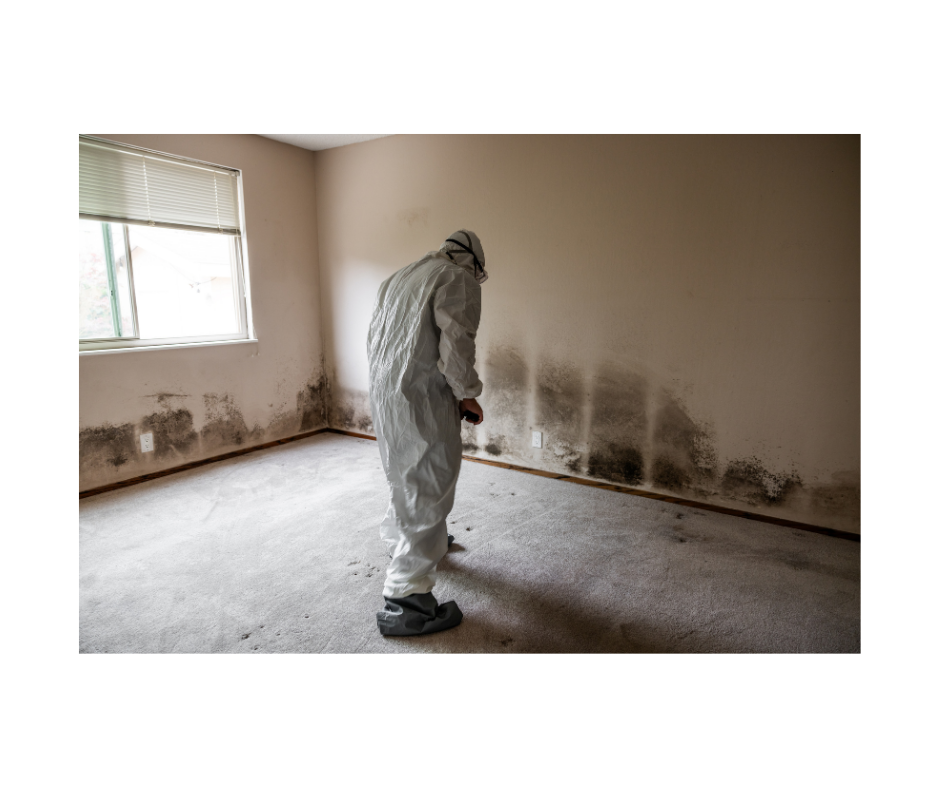
Mold remediation in East Hampton starts with finding the moisture behind the growth, then containing and removing it. Restoration referral service — calls connect you with a licensed, insured, IICRC-certified local crew.
Call 631-869-7966
East Hampton (11937), on Long Island's East End, borders or sits near Amagansett, Wainscott and Montauk. Mold in unoccupied East End houses is often discovered only when owners return.
Drying and dehumidification afterward are what keep mold from returning in a damp coastal setting. Salt-air humidity near the water means damp materials stay damp longer. Houses that are closed up through humid summers or damp winters can grow mold with nobody home to notice.
For East Hampton property owners, that means finding the moisture behind the mold first, then containing and removing the growth safely.
Crews also serve nearby Amagansett, Wainscott and Montauk. Crews also handle water damage in East Hampton and fire and smoke damage in East Hampton.
Moisture mapping and targeted testing help locate mold that isn't visible.
Yes. Closed houses with no airflow or dehumidification can grow mold quickly, especially in humid weather.
Timelines depend on the size and location of the growth. A specific estimate follows the assessment.
Typical steps are inspection, containment, air filtration, removal of affected materials, cleaning and treatment, and verification that the area is clear.
Often yes for contained jobs, but larger projects may call for staying elsewhere temporarily. Crews will say what makes sense once the scope is clear.