🧫
What's Included in Long Beach
- Bathroom Mold Cleanup
- Mold Inspection
- Antimicrobial Treatment
- HEPA Air Filtration
- Post-Remediation Verification
- Air Quality Testing
- Containment Setup
- Attic Mold Cleanup
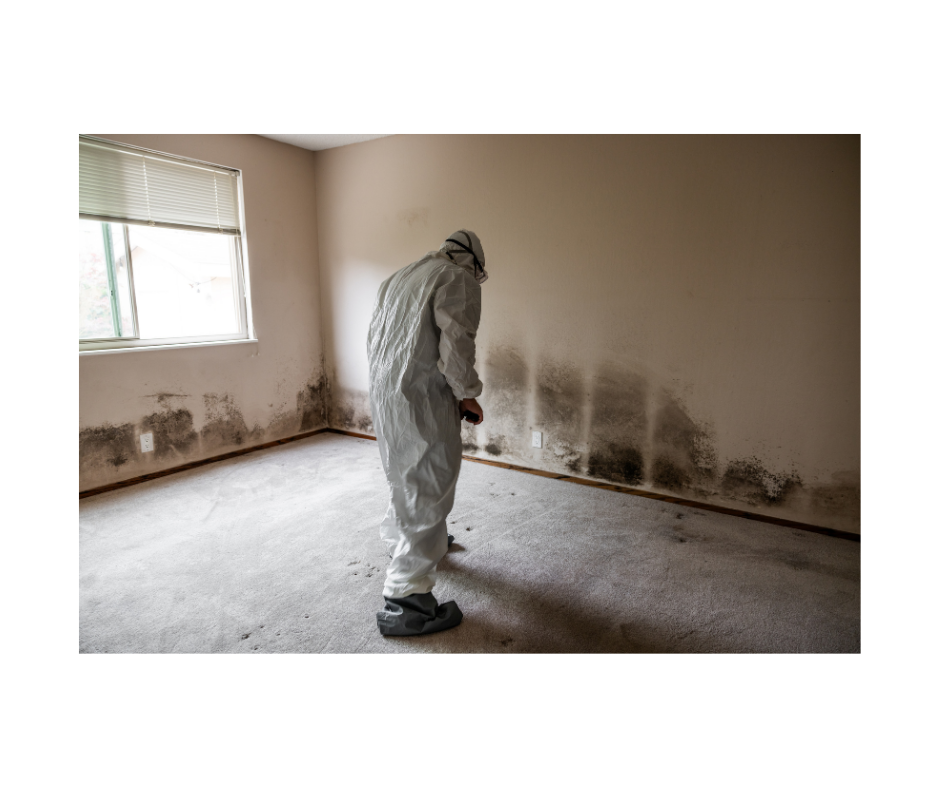
Musty odors and visible growth in Long Beach are signs to act. Crews assess the extent, contain the area, and remove mold safely. Restoration referral service — calls connect you with a licensed, insured, IICRC-certified local crew.
Call 631-869-7966
Located along Nassau's South Shore, Long Beach (11561) is a short drive from Island Park, Atlantic Beach and Point Lookout. Incorporated in 1922 as a planned beach resort, Long Beach sits on a barrier island between Reynolds Channel and the Atlantic.
The city sustained heavy damage during Hurricane Sandy in 2012, and most properties are in high-risk flood zones with flood insurance requirements. Humid coastal air slows drying, which gives mold a head start after water gets in. Finding hidden moisture is key, since visible mold often represents only part of the problem. Mold after coastal flooding usually begins inside walls and under floors where materials stayed wet.
For Long Beach property owners, that means finding the moisture behind the mold first, then containing and removing the growth safely.
Crews also serve nearby Island Park, Atlantic Beach and Point Lookout. Crews also handle water damage in Long Beach and fire and smoke damage in Long Beach.
Some people are more sensitive than others, and mold can trigger allergy and breathing symptoms. Remediation removes it safely and reduces exposure.
It shouldn't if the moisture source is corrected. Remediation pairs removal with drying and moisture control.
The process includes containing the area, removing contaminated materials, HEPA cleaning, and confirming the result.
Mold needs moisture, so leaks, flooding, condensation, and poor ventilation are the usual causes. Basements, attics, and bathrooms are common spots.
Very small surface spots can sometimes be handled at home, but larger or hidden growth needs containment and proper removal so spores do not spread.