🧫
What's Included in Sea Cliff
- Air Quality Testing
- Post-Remediation Verification
- Mold Removal
- Bathroom Mold Cleanup
- Humidity Control
- Basement Mold Cleanup
- Content Cleaning
- Moisture Source Location
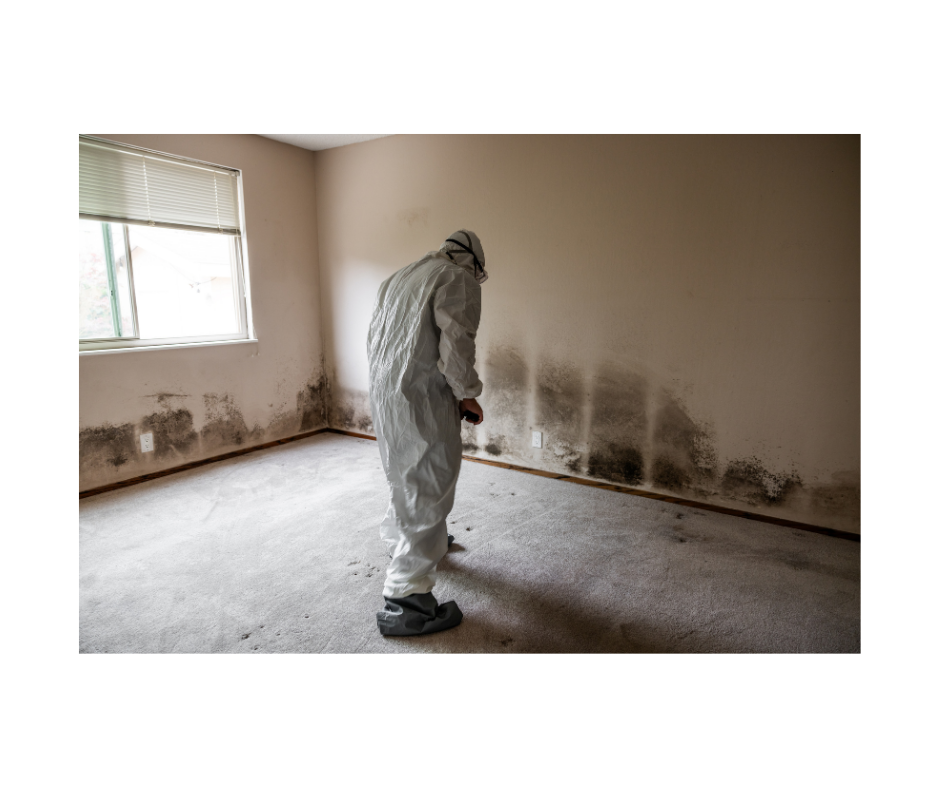
Mold in Sea Cliff homes usually points to a hidden moisture problem. Crews inspect, contain, remove, and help correct the source. Restoration referral service — calls connect you with a licensed, insured, IICRC-certified local crew.
Call 631-869-7966
Sea Cliff (11579) sits along Nassau's North Shore, with Glen Head, Glenwood Landing and Glen Cove nearby. Seepage through older foundation walls is a quiet, steady source of moisture for mold.
Attics and crawlspaces in older houses are often poorly ventilated, which lets warm, moist air condense and support growth. Drying and moisture control afterward are what keep mold from returning in damp, wooded settings. Humidity off Long Island Sound and shaded, tree-covered lots keep homes here damp, which is favorable for mold growth.
In practice, crews in Sea Cliff combine inspection, containment, and removal with drying and moisture control to reduce repeat growth.
Nearby areas served include Glen Head, Glenwood Landing and Glen Cove. Crews also handle water damage in Sea Cliff and fire and smoke damage in Sea Cliff.
Persistent dampness is the root cause, often from leaks, humidity, or incomplete drying after a water event.
It shouldn't if the moisture source is corrected. Remediation pairs removal with drying and moisture control.
Some people are more sensitive than others, and mold can trigger allergy and breathing symptoms. Remediation removes it safely and reduces exposure.
Timelines depend on the size and location of the growth. A specific estimate follows the assessment.
Inspection includes moisture readings and, where needed, testing to locate growth behind walls and under floors.